
Guides
Custom Blinds in Canada: Fit, Finish, and Daily Function

A home is often defined by its windows – the portals that connect our private sanctuaries with the outside world. However, for many homeowners in Toronto, Calgary, or Vancouver, windows are also a primary source of domestic frustration. A common dilemma perfectly captures this: a beautiful detached home can feel like a sun-drenched paradise on a Sunday afternoon, yet transform into a “fishbowl” the moment the interior lights flicker on after dark. Especially with north-facing orientations or large glass spans, many people feel perpetually on display to the street.
This is where custom blinds shine. Unlike off-the-shelf options, custom blinds are designed to manage light and privacy with precision. Instead of only being “open” or “closed,” these made-to-measure window treatments allow you to tune brightness and visibility through adjustable slats, panels, or structured fabrics. In Canada, this control matters because summer and winter create very different light conditions. A long summer evening in mid-June can stay bright until 9:30 PM, fundamentally altering the mood of a room. Conversely, the winter sun sits low and sharp on the horizon, creating intense glare off the snow that can make a living room unusable for hours.

The right custom blinds choice helps you control the light you feel – not just the light you see. While window coverings won’t replace high-quality insulation, they do create a critical thermal buffer near the glass. By trapping a layer of air, you can make seating areas near windows feel significantly less drafty in winter and less intense in direct summer sun. This “enclosure” effect makes spaces feel more inviting and secure, particularly in dense neighborhoods or condo buildings where privacy is a premium.
The Decision Framework: Light, Privacy, and Maintenance
To ensure long-term satisfaction with your custom blinds, it is best to separate your goals into three categories: light style, privacy timing, and maintenance. Light style asks whether you want slatted control – which is excellent for redirecting light – or fabric filtering, which smooths and softens the light like a photography “softbox.” Privacy timing asks whether you need coverage in the daytime, nighttime, or both. Maintenance asks how often you want to dust or wipe, and whether humidity is part of the room’s reality.
If you can name the room’s “main job,” the product category becomes clearer. A living room usually needs balanced daylight and a fast sense of cover for the evening. A bedroom is about sleep consistency. A kitchen is about easy cleaning. A home office is about glare control. Once the job is clear, choosing custom blinds becomes less about guessing and more about matching.
Material Performance and Selection
Faux wood is the common all-around performer in Canadian homes. These blinds are wipeable, humidity-tolerant, and forgiving in busy households. They excel in moisture-prone areas like kitchens and bathrooms because they resist warping, cracking, and fading. Real wood, however, adds a level of warmth and a premium look that faux wood cannot perfectly replicate. Real wood blinds are lighter, making them easier to operate on large windows, but they are best reserved for drier rooms where moisture won’t impact the slats.

Aluminum blinds are the lightweight, budget-friendly heroes of modern, minimalist spaces. They are ideal for rentals, basements, and utility rooms, though their thin slats can be prone to bending in high-traffic zones or homes with pets. For wide openings and patio doors, vertical blinds – especially modern fabric versions – remain one of the most practical answers for managing large spans of glass without compromising on functionality.
Why Custom Matters: The Precision Fit
Customization matters because real windows are rarely perfectly standard. Frames can be slightly out of square, depths can vary, and multiple windows in one room often differ by small but visible amounts. Made-to-measure builds reduce edge gaps and “light leaks,” keep lines aligned across multiple windows, and unlock sturdier hardware options that feel smoother over time.
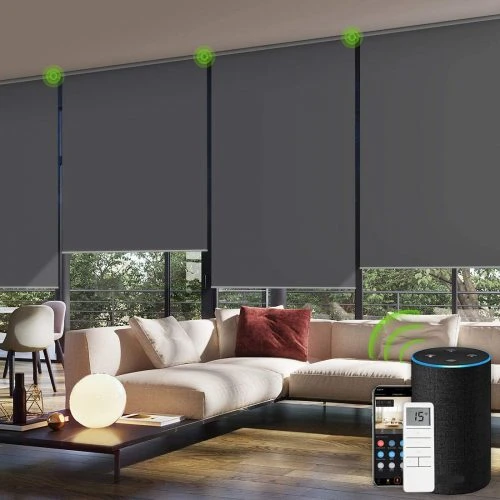
Operation style affects daily satisfaction more than most people expect. Cordless options keep the window area cleaner and feel safer in homes with children or pets. For tall windows or hard-to-reach placements, smoother lift systems – or motorized options – can turn an annoying routine into a one-touch habit. When comparing products, pay attention to the “boring” parts: headrails, brackets, and the feel of the lift. These components decide whether the covering stays level and whether you still enjoy using it months later.
The Art of Measurement
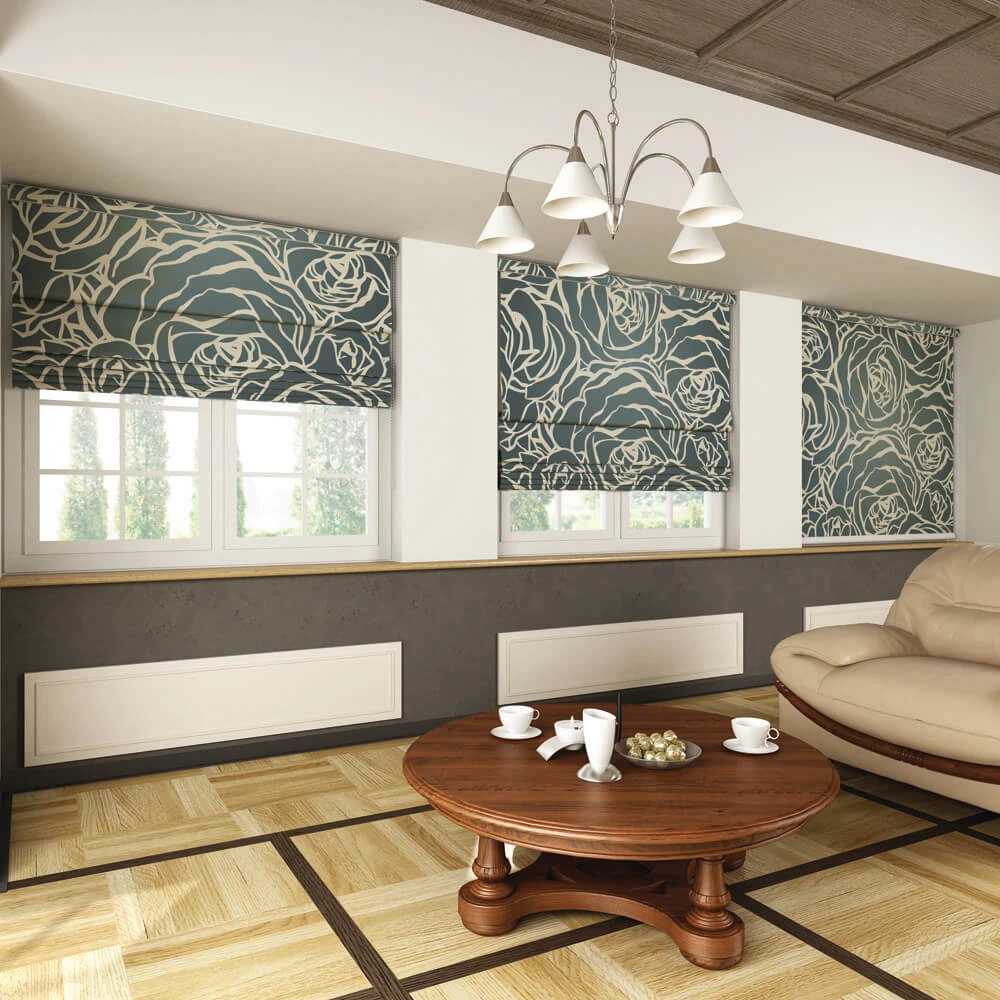
Mount choice is where many people accidentally undo a good product choice. An inside mount looks built-in and tidy, but it demands enough depth and accurate measuring. An outside mount gives more coverage, which helps privacy and reduces light gaps along the edges.
For an inside mount, measure the width at three points – top, middle, and bottom – and use the smallest measurement so the blind fits inside the frame. Measure the height at three points – left, center, and right – and use the largest measurement to ensure full coverage. If the frame is uneven, note the tightest point so the product doesn’t bind during installation.
For an outside mount, measure the area you want to cover and add overlap on both sides for privacy. Plan for the “open” position: rollers need roll clearance, while panels and verticals need stacking space. If you have ever had a “mystery gap” on one side, it is often because the frame wasn’t perfectly square and the width was taken at only one point. Three-point measuring is the small habit that prevents the big headache.
Room-by-Room Strategy
- Nursery: Nap schedules and early sun can clash, so consistent dimming is the priority. Safe, cordless operation and reliable coverage are the common goals here.
- Living Room: The main job is balanced daylight control plus quick evening privacy. Tilt control can keep the room bright while aiming direct light away from TVs and seating.
- Home Office: Glare control is your best friend for video calls and focused work. If you can redirect light upward, you keep the brightness without the screen reflection.
- Kitchen: Choose wipeable materials that handle steam and grease. Humidity-friendly options like faux wood reduce the risk of warping over time.
- Bedroom: Consistency is key. Sunrise, streetlights, and reflected snow can all disrupt sleep. Consider outside mount overlap or layering with curtains for the best results.
Troubleshooting and Maintenance
Most “bad blind” stories aren’t about a terrible product; they are about a mismatch between the room’s job and the way the covering was sized or mounted. Common mistakes include skipping overlap on an outside mount, buying light-duty hardware for very large windows, or picking an inside mount without checking the frame depth.
Maintenance is usually simple but varies by material. Faux wood and aluminum are easy to wipe, making them perfect for busy family spaces. Real wood prefers gentle dusting and stable humidity levels. A small habit helps: do a quick dusting when you clean the room anyway. Waiting six months means more buildup, making the job feel bigger than it is.
When custom blinds match your habits, you stop “managing the window” and start enjoying the room. Light becomes something you steer instead of something you fight, and privacy feels automatic rather than reactive. If you are deciding where to spend a little more, put it into the fit and hardware. The payoff is daily: fewer gaps, smoother operation, and a cleaner overall look.
This guide continues with a deeper look at the technical specifications of R-values in window treatments and the psychological impact of natural light in northern climates.
The physics of heat transfer through glass is a significant factor in Canadian home comfort. During a Winnipeg winter or a Quebec City cold snap, the temperature difference between the interior air and the glass surface can be 30 degrees or more. This creates “convection currents” where warm air hits the cold glass, cools rapidly, and “falls” to the floor, creating a draft even if the window is perfectly sealed. Custom blinds act as a baffle to disrupt this airflow. Thicker materials like faux wood or honeycomb structures provide higher R-values, which measures thermal resistance. While a standard blind might have an R-value of 1.0 to 1.5, specialized custom options can push this higher, significantly reducing the load on your HVAC system.
Furthermore, consider the “Albedo effect” mentioned earlier. In high-latitude regions, the winter sun remains low in the sky, meaning it strikes the window at a more direct angle for longer periods than it does in the south. This light then reflects off the snow-covered ground, entering the window from below. Standard curtains often fail to block this “bottom-up” glare without closing the entire window. Custom blinds with tilt control allow you to angle the slats downward to block the ground-reflection while still letting in ambient sky light.
For those with pets or children, durability is often the silent priority. We recommend choosing materials that are “scratch-resistant” and mechanisms that can handle the occasional tug. Cordless systems not only provide a sleeker, more modern aesthetic but also eliminate the single most common safety hazard in window treatments. If you are retrofitting an older home, assume the frames aren’t square. In many heritage homes in the Maritimes or older neighborhoods in Vancouver, the settling of the foundation creates “parallelogram” windows. Custom blinds allow for precise adjustments to the headrail and bottom rail to ensure the blind looks level even if the house isn’t.
Design integration is the final piece of the puzzle. Most people try to match the blind color to the wall color, but this can make a room feel washed out. A better strategy is to match the “undertones” – the subtle warm or cool hues – of your flooring or trim. A warm white blind against a cool gray wall can look yellowish and aged. By coordinating the temperature of the colors, the window treatment feels like an intentional architectural element.
Ultimately, the goal is to stop thinking about your windows and start living in your space. When the glare is gone, the privacy is secure, and the drafts are minimized, the home simply feels better. Custom blinds provide that effortless transition between the world outside and the comfort within.




6 Phone Numbers to Call for Music That Still Work (Tested 2026)
In an age of instant streaming on Spotify and Apple Music, the idea of looking for phone numbers to call...


The Ultimate Guide to Modern Bathroom Renovations
The bathroom is no more a simple functional area monitored somewhere in the corner of the house, it has become...


Custom Blinds in Canada: Fit, Finish, and Daily Function
A home is often defined by its windows – the portals that connect our private sanctuaries with the outside world....


Homeowner’s Guide: Practical Tips for Preventing Costly Roof Damage
A home’s roof often sits out of sight and out of mind, so trouble tends to build quietly. Signs appear...


How to Spruce Up Your Home’s Exterior Before Decorating it?
Holiday decorating is always more fun when the stage is set, and nothing sets that stage better than a refreshed...


When Preparedness Becomes a Homeowner’s Best Asset?
What do you do when something at home breaks at the worst possible time? Maybe it’s a leaky roof during...


From Repairs to Renovations: How to Keep Your Home in Top Shape?
Keeping a place in great shape requires attention, time, and smart planning. Small fixes often grow into bigger projects if...


The Most Overlooked Structural Issues in Older Homes
Older homes often carry a charm that newer properties cannot replicate. They offer character, history, and distinctive design. Yet many...


More Than a Change of Address: How to Feel at Home in a New City
Ever unpacked a box of dishes and suddenly felt like a stranger in your own life? It happens. You move...


The Steps That Make Transitioning Into a New Home More Manageable
Moving into a new home feels exciting, yet many people find the process stressful when tasks pile up unexpectedly. A...


How to Tell If Your Water Heater Is Costing You More Than It Should?
If you live in St. Charles, you’ve probably seen your utility bills rise over the past few seasons — even...


Small Space Styling Ideas Featuring the Globule Gold Leafing Console
Small interiors demand furnishings that deliver both style and function without overwhelming the room. The Globule Gold Leafing Console offers...


Budget-Friendly Ways to Modernize an Older Home
If you live in Boulder, you probably know how charming older homes can be. Many of them have character, personality,...


From Cleanup to Care: A Homeowner’s Guide to Storm Recover
Storms can leave families dealing with damaged walls, soaked flooring, and scattered debris. In Northeast Georgia, where strong weather can...


What Are Design Trends That Elevate Homes from Ordinary to Exceptional?
Ever walked into a home that just felt special? It might have been the layout, the lighting, or even the...


Can’t Beat the Chill at Home? Here’s What Might Be Going Wrong
When winter sets in, it often exposes problems in your home you might not have noticed during the warmer months....


Energy-Efficient Home Improvement Projects That Cut Bills
Ever looked at your electric bill in Pennsylvania during winter and thought, “Did I start heating the neighborhood by mistake?”...


Just Moved In? Here’s How to Make Your Home Winter-Ready
Moving into a new home brings a sense of accomplishment, boxes are unpacked, furniture is in place, and the space...


How Coastal Homes Stay Reliable Year After Year?
Coastal homes capture a kind of beauty that few other places can match. Waking up to the sound of waves,...


Your Complete Seasonal Home Tune-Up Checklist: What to Do Every 6 Months?
Seasons come and go, and your home works hard to keep up with the changes. From running your air conditioning...


Energy-Efficient Roofing Solutions in NJ | Yukor Construction
When planning a roof replacement, many homeowners think first about appearance and protection from leaks. But in today’s conditions, a...


Preventative HVAC Care: Avoiding Costly Breakdowns Before They Happen
A reliable HVAC system is essential for maintaining comfort, air quality, and energy efficiency throughout the year. Yet, many property...


If I Unblock Someone on iMessage, What Happens?
In today’s global world, it is necessary to stay in touch with friends, family and colleagues. Apple IMessage service is...


How Smart Pool Cleaners Integrate with Home Automation Systems?
In today’s smart home world, the robot pool cleaner is no longer a utility device but rather is now a smart,...


What Causes an Electric Motor to Hum and not work
One of the most common machines is those that are powered by electric motors. At times, however, these motors can...


How to Find Your Verizon Account Number
Introduction So Verizon is a popular messaging service and calling app that provides the option of free call and phone...


How to Delete Read-Only Contacts: Android & iphone
Introduction It is simple to delete read-only contacts on the Android and iPhone but a question arises here: how can...


How to Find Saved Videos on My Phone
Introduction Nowadays the integral part of our life is the mobile phone. We create so many memories everyday and store...


You Can’t Message This Account: Messenger Fixed
Introduction Facebook messenger is one of the most popular messaging apps globally to connect with other people throughout the world....


Delete Text Messages on iPhone for Both Sides
Introduction It is simple to delete messages on the iPhone but a question arises here: how can we delete messages...


Why Won’t My Call Go Through to a Certain Number?
Introduction In today’s fast-paced world, staying in touch with everyone is important. For this purpose, we use our phone to...


Call Ends Immediately After Dialing on Android
Introduction In today’s fast-paced world, staying in touch with everyone is important. For this purpose, we use our phone to...


What Is Logitech Download Assistant?
Logitech is famous throughout the world for their amazing computer accessories including mouse, keyboard and headsets. These devices come with...


Does a Canceled Call Go Through on iPhones?
Introduction In today’s digital world there are new and exceptional ways for connecting with each other. Communication has also evolved...


How to Create an INI File on Windows, Mac, Android
Introduction The files that are used to store settings and configuration for the software application are known as INI files....


How Long Do AirPods Take to Charge from Dead?
Airpods Pro are one of the best and most popular airbords that are wireless and available in the market nowadays....


PS4 Controller Charging but Not Connecting
Introduction Many people play PS4 games nowadays but sometimes they encounter a frustrating issue which is that their controller is...


How to Fix IMS Registration Status Not Registered
Introduction IMS stands for IP multimedia system which is present in carrier rn smartphones that play a crucial role in...


Rythm Discord Bot: What It Is and How to Use It
Introduction Discord has been extremely popular nowadays aur communication among gamers technicians and other communities that want to stay connected...


Where Is the Volume Button on a Vizio TV
Introduction It is easy to find the volume button on the Vizio TV but it can be difficult for a...


Smart Travel Hacks by CWBiancaVoyage: Your Ultimate Guide
Introduction Traveling can be both exhilarating and overwhelming. Whether you’re a seasoned globetrotter or a first-time explorer, the journey often...


Call Error: “The Number You Are Trying to Call Is Not
Introduction Few things are more frustrating than dialing a number only to hear the automated message: “The number you are...


Marketing Automation: A Complete Guide to Smarter Growth
Introduction In today’s digital marketplace, speed, personalization, and efficiency are no longer optional—they are essential. Marketing automation has emerged as...

Do Smart Plugs Use Alot Of Electricity?
In addition to the fact that they are more convenient, smart plugs are intended to help you save money by...


How to Adjust The Temperature On ECOBEE Smart Thermostat?
The Ecobee Smart Thermostat is an advanced piece of equipment that can effectively substitute for your old thermostat. It may...


Top Cheap Gaming Monitors On A Budget
Introduction It is difficult to find a gaming monitor that is affordable and also of great quality. But today the...


Subscriber You Have Dialed is Not in Service
Introduction In today’s fast-paced world, staying in touch with everyone is important. For this purpose, we use our phone to...


What to Do if Spectrum Internet Keeps Dropping, Cutting, Going Out
Introduction It is easy to find the dropping, cutting, going out problem on the Spectrum internet but it can...


How to Sign Into iMessage on iPhone
Introduction In today’s global world, it is necessary to stay in touch with friends, family and colleagues. Apple IMessage service...


The Top 10 Belts for Ab Exercises
You will need to follow a regimented eating plan and training program to get abs like a washboard. However, in...


10 Best Smart Plugs For SAMSUNG Smart Things.
Smart plugs have the potential to have a major effect homes beyond initial expectations. These devices are engineered to enhance...


How To Link An Older Bose Sound System To A Newer Television?
Bose systems are used in the development of high-quality sound systems as well as portable electronic gadgets. Many different Bose...


10 Best Apps To Control All Your Smart Home Devices.
10 Best Apps To Control All Your Smart Home Devices are the kinds of smart home gadgets that used to...


Smartwatch Features: A Comprehensive Overview of Their Capabilities
Trying to choose the perfect smartwatch may be a daunting task, as you’ll want to find one that satisfies your...

Are Smart Locks Hard To Install Find Out Here?
There are several compelling reasons why installing smart locks in a home may be a very worthwhile investment. You won’t...


10 Most Cutting-Edge TVs with Touch Screens
A touch screen TV is a kind of television that can be controlled by touching the screen. This cutting-edge innovation...


How Many Smart Devices Can You Connect To Alexa?
The more gadgets you connect to Alexa, the higher your home’s intelligence will be. Connecting Alexa-enabled smart home devices like...


How To Make Smart Bathroom By Using 5 Gadgets?
The world we live in is completely immersed in advanced technology. Technology makes life simpler in every aspect, from cellular...

Interesting Things About Ecobee Firmware Upgrades.
All smart devices, including smart thermostats, need periodic software upgrades. Firmware is the term used to describe the software that...


What Is Lg Tv Plus And How Its Works And How To Connect To Tv?
When it comes to Smart TVs, LG is a top contender. The two most common brands of televisions are LG...
-

 DIY & Tutorials2 years ago
How to Message on Ashley Madison Without Paying (6 Free Methods 2026)
-
Guides7 months ago
6 Phone Numbers to Call for Music That Still Work (Tested 2026)
-
Guides2 years ago
10 Best Apps To Control All Your Smart Home Devices.
-
 Gadgets3 years ago
Does Nest Thermostats Contain Cameras Or Microphones? Is It Safe For you?
-
 Gadgets3 years ago
What Is The Purpose Of Red Button On The SimpliSafe Keypad?
-

 Gadgets3 years ago
Complete Guide About Equalizer settings for Samsung-Soundbar
-

 Accessories3 years ago
Can Siri Control Samsung Televisions And Are Samsung TVs Homekit Compliant?
-
Gadgets3 years ago
What Is Lg Tv Plus And How Its Works And How To Connect To Tv?