
Contributions
Why Your Water Heater Struggles in Winter and What Bay Area Homeowners Can Do About It?


If your water heater is taking longer to heat up, running out of hot water faster, or behaving differently since temperatures dropped, the cause is almost always the same: colder incoming water, harder-working equipment, and Bay Area-specific conditions that amplify every existing weakness in your system. This guide covers both tank and tankless water heaters, explains what actually happens in winter, and tells you what you can check yourself and when to call a licensed plumber.

Why Winter Is Hard on Water Heaters in the Bay Area
Bay Area winters are mild by national standards. But mild doesn’t mean stress-free for your water heater. Three local factors make winter harder here than the temperature forecast suggests.
Groundwater temperature in the South Bay and Peninsula drops to 55-60 degrees Fahrenheit in winter. That is 10-15 degrees colder than in summer. Your heater has to close that gap every time water flows through the unit — and it has to do it more often, because household hot water demand rises in colder months.
Water hardness across Sunnyvale, Mountain View, Santa Clara, and surrounding communities runs 7-19 GPG, depending on the supply source. Calcium and magnesium deposits accumulate year-round inside the tank or heat exchanger. In winter, when the system runs harder and longer, the insulating effect of scale becomes much more significant — the unit works harder to deliver the same output.
Most residential housing in the Bay Area was built between the 1950s and the 1980s. Water heaters in these homes are often at or past their expected service life. A unit that kept up with demand in summer will show its limits when winter adds 20-30% more load.
Tank Water Heater Problems in Winter
A traditional storage water heater holds 30-50 gallons of water at a set temperature and reheats it as you draw it down. Winter affects this system in three consistent ways.
Slow Recovery and Lukewarm Water
When your household uses hot water faster than the tank can reheat it, you run out. This happens in summer too, but in winter, the recovery time is longer because incoming cold water requires more energy to reach 120 degrees. A 50-gallon tank that normally recovers in 45 minutes may take 60-70 minutes when inlet water arrives at 55 degrees instead of 68.
Multiple showers in sequence, laundry running alongside a shower, or a dishwasher cycle during peak morning use can all exceed the tank’s recovery rate. This is not necessarily a malfunction. It is a capacity limitation that winter conditions expose. However, if the problem is noticeably worse than it was last winter, sediment buildup or a failing heating element is the more likely explanation.
Sediment Buildup
Mineral deposits from hard water settle at the bottom of the tank over time. This sediment layer insulates the water from the heating element, forcing longer heating cycles to reach the same output temperature. You lose both capacity and efficiency simultaneously.
The signs: popping or rumbling sounds when the heater runs, water that cools at the tap faster than it used to, and a unit that seems to run almost constantly without keeping up with demand. Annual flushing removes accumulated sediment and restores heating efficiency. In Bay Area homes with water hardness above 10 GPG, flushing every 6-9 months produces better results.
Pressure Relief Valve Issues
The pressure relief valve is a safety device that releases pressure if the tank overheats or internal pressure exceeds safe limits. Test it once a year by lifting the lever halfway and letting it snap back. If it leaks afterward, fails to reset, or the handle will not move at all, replacement is required before the unit is used further.
A failing pressure relief valve on an active gas or electric water heater is not a DIY repair. If the valve shows visible corrosion, mineral buildup around the seat, or any active dripping, contact a licensed plumber.
Pilot Light and Ignition Failures (Gas Units)
Gas water heaters use a standing pilot light or electronic ignition to fire the burner. Cold weather alone does not extinguish pilot lights, but drafts from garages, utility rooms, or crawl spaces with air gaps can. If your pilot keeps going out, check for unsealed gaps around the door frame or nearby wall penetrations before assuming a component failure.
If the pilot will not stay lit after relighting, the thermocouple, the safety sensor that detects the flame, is likely worn out. Thermocouple replacement is a straightforward, inexpensive repair for a qualified plumber.

Tankless Water Heater Problems in Winter
A tankless water heater heats water on demand as it passes through the unit. There is no stored buffer. This makes tankless systems highly efficient in normal conditions and more sensitive to winter performance stress.
Not Enough Hot Water — The Cold Inlet Problem
Every tankless heater has a rated temperature rise capacity: the maximum difference it can achieve between incoming cold water and the outgoing hot water at a given flow rate. In summer, the system closes a 50-degree gap. In winter, it must close a 65-degree gap at the same flow rate. That is 30% more thermal work with no change in hardware.
If your unit is at the edge of its capacity, or if multiple fixtures run simultaneously, the heater cannot maintain temperature. Water feels warm but not hot, or the temperature drops mid-shower. Reducing the flow rate at the fixture — by partially closing the hot side — often brings temperature back up because the water spends more time in the heat exchanger. This is a workaround, not a fix. A properly sized unit should handle your household’s peak demand in winter without adjustment.
Hot Then Cold (Cold Water Sandwich Effect)
You open the hot water tap and get a brief burst of warm water from what was left in the pipes, then cold water, then hot water again. This is called the cold water sandwich effect and is a structural characteristic of on-demand heaters — not a malfunction. The unit needs a moment to detect flow and fire.
In winter, the effect is more noticeable because pipes running through garages or crawl spaces lose heat faster. The residual warm water in the line goes cold quicker. The solution is pipe insulation on exposed lines, which costs under 20 dollars at any hardware store and makes an immediate difference.
Scaling in the Heat Exchanger
Scale buildup inside the heat exchanger is the leading cause of declining tankless performance in Bay Area homes. Calcium deposits coat the internal coil, reducing the effective surface area for heat transfer. A heat exchanger with significant scale accumulation can lose 20-30% of its output efficiency — and the problem compounds every year without maintenance.
Annual descaling using a dilute white vinegar or commercial descaling solution circulated through the service ports restores performance and prevents permanent damage. At Bay Area hardness levels, descaling once per year is the minimum. Units in areas with hardness above 15 GPG benefit from descaling twice per year.
Flow Sensor and Error Codes
Tankless heaters use a flow sensor to detect water movement and trigger heating. A dirty or failing sensor causes the unit to activate inconsistently, fire and shut off mid-use, or fail to start. Most units display error codes on the control panel when internal faults occur. Use this table to match what you see to what it means:
| Symptom | Most Likely Cause | Your Action |
| No hot water at all | Power or gas interruption; flow sensor fault | Check breaker or gas supply; reset unit |
| Warm but not hot | Cold inlet water combined with scale buildup | Reduce flow rate; schedule descaling |
| Hot then cold mid-use | Cold water sandwich or pressure drop | Insulate exposed pipes; clean inlet filter |
| Temperature fluctuates constantly | Flow sensor misread or clogged inlet filter | Clean inlet filter; call plumber if recurring |
| Unit fires, then shuts off | Overheating protection triggered | Check vent clearance; reduce simultaneous demand |
| Error code on display | Unit-specific internal fault | Check the manual; call a plumber if the code returns after reset |
Quick Self-Check Before Calling a Plumber
Before scheduling service, run through this checklist. Most winter water heater complaints trace back to one of these six items.
- Check the cold water supply valve. It should be fully open. A partially closed valve reduces flow, causes lukewarm output, and triggers safety shutoffs on tankless units.
- Check the circuit breaker for electric heaters, or verify the gas supply valve is open for gas units. A single tripped breaker on a tankless heater with a multi-breaker setup prevents full output.
- Look for active leaks at the tank body, pipe connections, or the pressure relief valve outlet. Even a slow drip changes system pressure and can activate safety shutoffs.
- On tankless units, inspect the inlet filter screen. Debris restriction reduces flow below the activation threshold and causes the unit to fail to fire or to shut off mid-use.
- Check the thermostat setting. The standard is 120 degrees F. If it was accidentally lowered, water will feel lukewarm even from a fully functional unit.
- For gas units: verify the pilot light is blue and steady. A yellow, orange, or absent flame requires professional diagnosis — not repeated relighting attempts.
If none of these steps resolve the problem, the issue is internal: a failing heating element, a scaled heat exchanger, a worn thermocouple, or a component that requires professional diagnosis and hands-on access.
Winter Maintenance That Prevents Most Problems
The majority of winter water heater failures are predictable. These are the maintenance tasks that matter most for Bay Area homes, in order of impact.
Flush the tank annually. Sediment removal is the highest-impact maintenance task for tank units. Do it in fall, before winter demand peaks. Connect a garden hose to the drain valve, run it to a floor drain or outside, and flush until the water runs clear. In South Bay homes with hardness above 12 GPG, flushing every 6-9 months is worth the time.
Descale the tankless unit. At Bay Area hardness levels, descaling once per year is not optional maintenance — it is the difference between a unit that reaches its 20-year lifespan and one that fails at 10. Schedule it before winter, when the unit will work hardest.
Insulate exposed pipes. Foam pipe insulation costs under 20 dollars and makes a measurable difference in heat retention for pipes in garages, crawl spaces, or along exterior walls. Start with the hot water supply line first, then the cold water inlet to the heater.
Verify thermostat setting. 120 degrees F is the standard. It is hot enough to prevent bacterial growth in the tank and cool enough to reduce scalding risk. Check it at the start of each heating season.
Inspect the anode rod. The sacrificial anode rod inside tank heaters corrodes in place of the tank lining. In hard water, it depletes faster. A rod more than 50% consumed provides no protection. Check it every 3-5 years and replace it when necessary — this single step extends tank life significantly.
Test the pressure relief valve. Lift the lever briefly once a year. If it fails to reset or continues dripping, replace it before the next heavy-use season.

When to Call a Professional
Some conditions are diagnostic. Others are urgent. Here is how to read the difference.
Schedule service promptly if you notice any of the following:
- Active water leak from the tank body, pipe connections, or pressure relief valve outlet
- Rust-colored water or a metallic odor from the hot tap
- Error codes on a tankless unit that return after a manual reset
- A pilot light that will not stay lit after relighting
- No hot water despite confirmed normal power and gas supply
- Your unit is over 10 years old and showing two or more symptoms at once
Tank water heaters in Bay Area hard water conditions typically last 8-12 years without consistent maintenance, and up to 15 years with it. Tankless units last 15-20 years with annual descaling. If your tank is over 10 years old and requiring repeated service calls, a professional assessment of repair versus replacement will usually save money over the next 2-3 years.
Frequently Asked Questions
Why does my hot water run out faster in winter?
Incoming groundwater is colder in winter, which extends the tank’s recovery time between uses. A 50-gallon unit that normally recovers in 45 minutes may need 60-70 minutes when inlet water drops to 55 degrees F. If the problem is significantly worse than last year, sediment buildup is reducing your tank’s effective capacity — a flush will usually restore normal performance.
Should I turn up my water heater temperature in winter?
In most cases, no. The standard setting of 120 degrees F is sufficient. Raising the temperature above 120 increases scalding risk and accelerates sediment formation in hard water areas. If your water feels cooler at the tap than it used to, the cause is more likely heat loss in uninsulated pipes running through the garage or crawl space — not an insufficient thermostat setting.
How often should I flush my tank water heater in the Bay Area?
Once per year is the minimum. Homes in Sunnyvale, Cupertino, or Los Altos served by Valley Water blended sources with hardness above 12 GPG benefit from flushing every 6-9 months. If you have never flushed your current water heater and it is more than 5 years old, schedule it before this winter.
Does hard water really shorten my water heater’s life?
Yes, measurably. A tank heater in a high-hardness area without regular maintenance typically fails in 7-8 years. The same unit with annual flushing and anode rod inspection can reach 12-15 years. For tankless units, a scaled heat exchanger is the leading cause of premature failure in Bay Area homes. Annual descaling eliminates this risk almost entirely.
My tankless heater worked fine in summer. Why is it struggling now?
Tankless heaters heat water in real time with no buffer. In summer, the gap between incoming cold water temperature and your target output is smaller — the unit works within its rated capacity. In winter, that gap widens, and a unit that was borderline for your household’s peak demand in warm months reaches its limits in cold months. This is a sizing issue that was always present but only becomes visible seasonally. A licensed plumber can assess whether your current unit is appropriately sized or whether a capacity upgrade makes sense.




6 Phone Numbers to Call for Music That Still Work (Tested 2026)
In an age of instant streaming on Spotify and Apple Music, the idea of looking for phone numbers to call...


The Ultimate Guide to Modern Bathroom Renovations
The bathroom is no more a simple functional area monitored somewhere in the corner of the house, it has become...


Custom Blinds in Canada: Fit, Finish, and Daily Function
A home is often defined by its windows – the portals that connect our private sanctuaries with the outside world....


Homeowner’s Guide: Practical Tips for Preventing Costly Roof Damage
A home’s roof often sits out of sight and out of mind, so trouble tends to build quietly. Signs appear...


How to Spruce Up Your Home’s Exterior Before Decorating it?
Holiday decorating is always more fun when the stage is set, and nothing sets that stage better than a refreshed...


When Preparedness Becomes a Homeowner’s Best Asset?
What do you do when something at home breaks at the worst possible time? Maybe it’s a leaky roof during...


From Repairs to Renovations: How to Keep Your Home in Top Shape?
Keeping a place in great shape requires attention, time, and smart planning. Small fixes often grow into bigger projects if...

The Most Overlooked Structural Issues in Older Homes
Older homes often carry a charm that newer properties cannot replicate. They offer character, history, and distinctive design. Yet many...


More Than a Change of Address: How to Feel at Home in a New City
Ever unpacked a box of dishes and suddenly felt like a stranger in your own life? It happens. You move...

The Steps That Make Transitioning Into a New Home More Manageable
Moving into a new home feels exciting, yet many people find the process stressful when tasks pile up unexpectedly. A...


How to Tell If Your Water Heater Is Costing You More Than It Should?
If you live in St. Charles, you’ve probably seen your utility bills rise over the past few seasons — even...


Small Space Styling Ideas Featuring the Globule Gold Leafing Console
Small interiors demand furnishings that deliver both style and function without overwhelming the room. The Globule Gold Leafing Console offers...


Budget-Friendly Ways to Modernize an Older Home
If you live in Boulder, you probably know how charming older homes can be. Many of them have character, personality,...


From Cleanup to Care: A Homeowner’s Guide to Storm Recover
Storms can leave families dealing with damaged walls, soaked flooring, and scattered debris. In Northeast Georgia, where strong weather can...

What Are Design Trends That Elevate Homes from Ordinary to Exceptional?
Ever walked into a home that just felt special? It might have been the layout, the lighting, or even the...

Can’t Beat the Chill at Home? Here’s What Might Be Going Wrong
When winter sets in, it often exposes problems in your home you might not have noticed during the warmer months....

Energy-Efficient Home Improvement Projects That Cut Bills
Ever looked at your electric bill in Pennsylvania during winter and thought, “Did I start heating the neighborhood by mistake?”...

Just Moved In? Here’s How to Make Your Home Winter-Ready
Moving into a new home brings a sense of accomplishment, boxes are unpacked, furniture is in place, and the space...


How Coastal Homes Stay Reliable Year After Year?
Coastal homes capture a kind of beauty that few other places can match. Waking up to the sound of waves,...


Your Complete Seasonal Home Tune-Up Checklist: What to Do Every 6 Months?
Seasons come and go, and your home works hard to keep up with the changes. From running your air conditioning...

Energy-Efficient Roofing Solutions in NJ | Yukor Construction
When planning a roof replacement, many homeowners think first about appearance and protection from leaks. But in today’s conditions, a...

Preventative HVAC Care: Avoiding Costly Breakdowns Before They Happen
A reliable HVAC system is essential for maintaining comfort, air quality, and energy efficiency throughout the year. Yet, many property...


If I Unblock Someone on iMessage, What Happens?
In today’s global world, it is necessary to stay in touch with friends, family and colleagues. Apple IMessage service is...


How Smart Pool Cleaners Integrate with Home Automation Systems?
In today’s smart home world, the robot pool cleaner is no longer a utility device but rather is now a smart,...
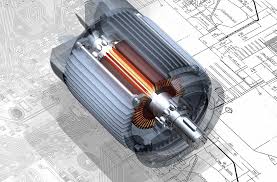

What Causes an Electric Motor to Hum and not work
One of the most common machines is those that are powered by electric motors. At times, however, these motors can...

How to Find Your Verizon Account Number
Introduction So Verizon is a popular messaging service and calling app that provides the option of free call and phone...


How to Delete Read-Only Contacts: Android & iphone
Introduction It is simple to delete read-only contacts on the Android and iPhone but a question arises here: how can...


How to Find Saved Videos on My Phone
Introduction Nowadays the integral part of our life is the mobile phone. We create so many memories everyday and store...

You Can’t Message This Account: Messenger Fixed
Introduction Facebook messenger is one of the most popular messaging apps globally to connect with other people throughout the world....


Delete Text Messages on iPhone for Both Sides
Introduction It is simple to delete messages on the iPhone but a question arises here: how can we delete messages...


Why Won’t My Call Go Through to a Certain Number?
Introduction In today’s fast-paced world, staying in touch with everyone is important. For this purpose, we use our phone to...


Call Ends Immediately After Dialing on Android
Introduction In today’s fast-paced world, staying in touch with everyone is important. For this purpose, we use our phone to...


What Is Logitech Download Assistant?
Logitech is famous throughout the world for their amazing computer accessories including mouse, keyboard and headsets. These devices come with...


Does a Canceled Call Go Through on iPhones?
Introduction In today’s digital world there are new and exceptional ways for connecting with each other. Communication has also evolved...


How to Create an INI File on Windows, Mac, Android
Introduction The files that are used to store settings and configuration for the software application are known as INI files....


How Long Do AirPods Take to Charge from Dead?
Airpods Pro are one of the best and most popular airbords that are wireless and available in the market nowadays....


PS4 Controller Charging but Not Connecting
Introduction Many people play PS4 games nowadays but sometimes they encounter a frustrating issue which is that their controller is...


How to Fix IMS Registration Status Not Registered
Introduction IMS stands for IP multimedia system which is present in carrier rn smartphones that play a crucial role in...


Rythm Discord Bot: What It Is and How to Use It
Introduction Discord has been extremely popular nowadays aur communication among gamers technicians and other communities that want to stay connected...


Where Is the Volume Button on a Vizio TV
Introduction It is easy to find the volume button on the Vizio TV but it can be difficult for a...


Smart Travel Hacks by CWBiancaVoyage: Your Ultimate Guide
Introduction Traveling can be both exhilarating and overwhelming. Whether you’re a seasoned globetrotter or a first-time explorer, the journey often...


Call Error: “The Number You Are Trying to Call Is Not
Introduction Few things are more frustrating than dialing a number only to hear the automated message: “The number you are...


Marketing Automation: A Complete Guide to Smarter Growth
Introduction In today’s digital marketplace, speed, personalization, and efficiency are no longer optional—they are essential. Marketing automation has emerged as...
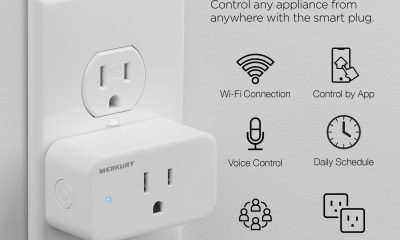

Do Smart Plugs Use Alot Of Electricity?
In addition to the fact that they are more convenient, smart plugs are intended to help you save money by...


How to Adjust The Temperature On ECOBEE Smart Thermostat?
The Ecobee Smart Thermostat is an advanced piece of equipment that can effectively substitute for your old thermostat. It may...


Top Cheap Gaming Monitors On A Budget
Introduction It is difficult to find a gaming monitor that is affordable and also of great quality. But today the...


Subscriber You Have Dialed is Not in Service
Introduction In today’s fast-paced world, staying in touch with everyone is important. For this purpose, we use our phone to...

What to Do if Spectrum Internet Keeps Dropping, Cutting, Going Out
Introduction It is easy to find the dropping, cutting, going out problem on the Spectrum internet but it can...


How to Sign Into iMessage on iPhone
Introduction In today’s global world, it is necessary to stay in touch with friends, family and colleagues. Apple IMessage service...


The Top 10 Belts for Ab Exercises
You will need to follow a regimented eating plan and training program to get abs like a washboard. However, in...

10 Best Smart Plugs For SAMSUNG Smart Things.
Smart plugs have the potential to have a major effect homes beyond initial expectations. These devices are engineered to enhance...

How To Link An Older Bose Sound System To A Newer Television?
Bose systems are used in the development of high-quality sound systems as well as portable electronic gadgets. Many different Bose...

10 Best Apps To Control All Your Smart Home Devices.
10 Best Apps To Control All Your Smart Home Devices are the kinds of smart home gadgets that used to...


Smartwatch Features: A Comprehensive Overview of Their Capabilities
Trying to choose the perfect smartwatch may be a daunting task, as you’ll want to find one that satisfies your...

Are Smart Locks Hard To Install Find Out Here?
There are several compelling reasons why installing smart locks in a home may be a very worthwhile investment. You won’t...


10 Most Cutting-Edge TVs with Touch Screens
A touch screen TV is a kind of television that can be controlled by touching the screen. This cutting-edge innovation...


How Many Smart Devices Can You Connect To Alexa?
The more gadgets you connect to Alexa, the higher your home’s intelligence will be. Connecting Alexa-enabled smart home devices like...


How To Make Smart Bathroom By Using 5 Gadgets?
The world we live in is completely immersed in advanced technology. Technology makes life simpler in every aspect, from cellular...

Interesting Things About Ecobee Firmware Upgrades.
All smart devices, including smart thermostats, need periodic software upgrades. Firmware is the term used to describe the software that...


What Is Lg Tv Plus And How Its Works And How To Connect To Tv?
When it comes to Smart TVs, LG is a top contender. The two most common brands of televisions are LG...
-
Guides2 years ago
10 Best Apps To Control All Your Smart Home Devices.
-
 Gadgets3 years ago
Does Nest Thermostats Contain Cameras Or Microphones? Is It Safe For you?
-
 Gadgets3 years ago
What Is The Purpose Of Red Button On The SimpliSafe Keypad?
-
 Gadgets3 years ago
Complete Guide About Equalizer settings for Samsung-Soundbar
-

 Accessories3 years ago
Can Siri Control Samsung Televisions And Are Samsung TVs Homekit Compliant?
-
 Accessories3 years ago
Blink Camera’s Temperature Sensor Settings, and More
-

 Accessories3 years ago
Can Ring Cameras and Other Ring Devices Be Connected to Multiple Networks?
-

 Gadgets3 years ago
Fitbit Symbols Meaning: What Do The Fitbit Icons Mean?