
Contributions
The Complete Checklist for a Stress-Free Home Renovation

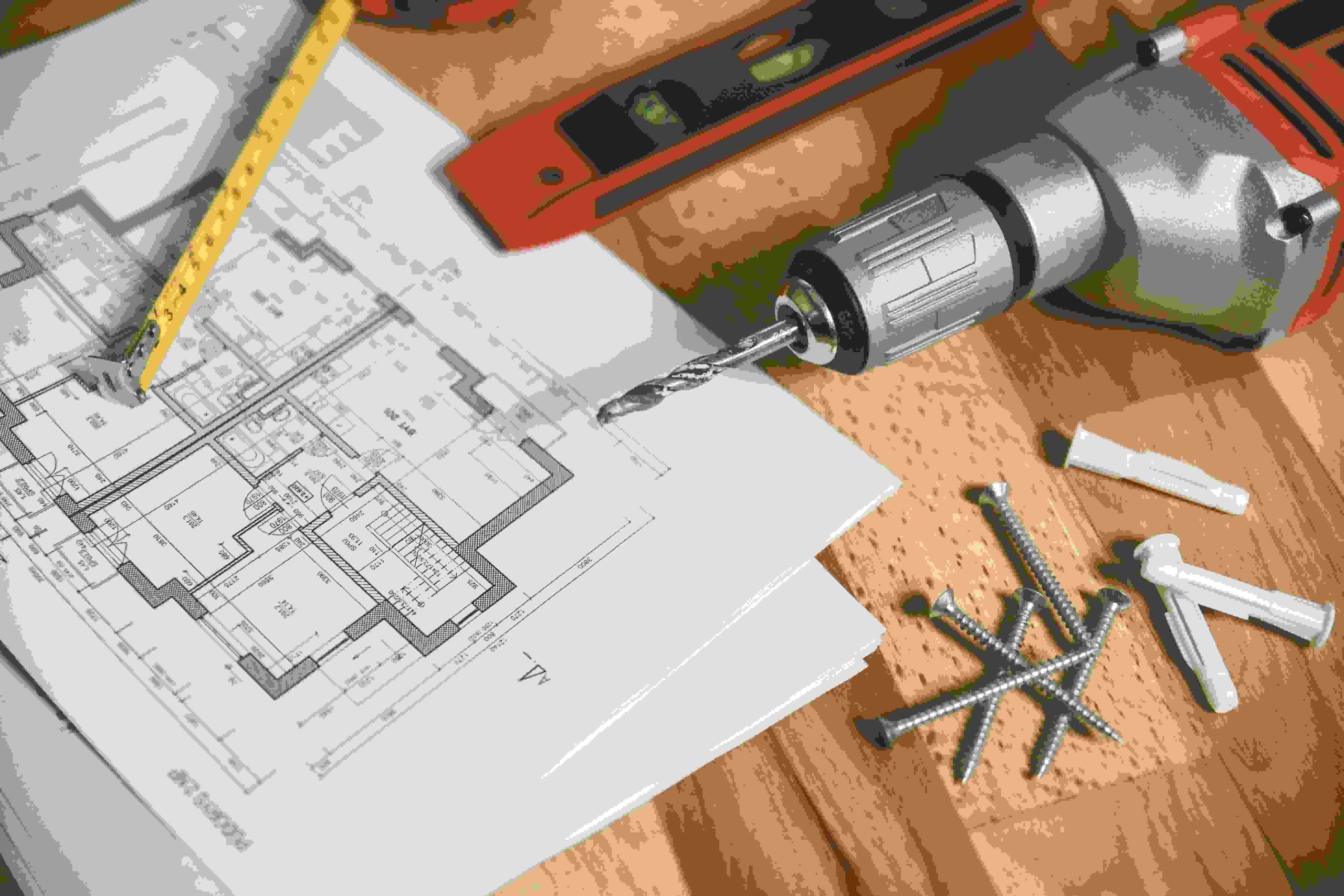
Home renovation offers a fresh start. It gives you the chance to improve comfort, boost value, and finally make your space reflect your needs. Yet, without careful planning, that excitement can quickly turn into frustration.
Missed timelines, rising costs, and unexpected issues often come from rushed decisions rather than the renovation itself. This matters even more in states like Oregon, where housing prices and overall living costs already sit on the higher side.
A single mistake can waste both time and money. Proper preparation helps you stay in control, avoid costly setbacks, and keep stress levels low throughout the process. This checklist walks you through every essential step, helping you plan smarter and renovate with confidence.
Define Your Renovation Goals Clearly
Every stress-free renovation starts with clarity. Before you speak to contractors or look at materials, you need a solid understanding of what you want to achieve. Are you updating a kitchen for better function, adding space for a growing family, or improving resale value? Clear goals help you make consistent decisions throughout the project.
They also prevent last-minute changes that often drive up costs and cause delays. When you know your priorities, you can separate must-haves from nice-to-haves. This keeps your renovation focused and manageable from start to finish.
Ensure Basic Amenities for Workers to Prevent Delays
Productive work depends on proper conditions. In Oregon, frequent rain can slow down progress if workers lack adequate shelter. Temporary coverings or enclosed workspaces help crews stay on schedule despite weather challenges.
Hygiene also plays a major role in keeping work uninterrupted. Access to clean restroom facilities reduces unnecessary breaks and keeps the site compliant with basic standards.
A portable potty rental can make a real difference, especially for longer projects. While many contractors provide construction portable toilets in Oregon, reviewing a few options yourself ensures nothing gets overlooked and work continues without avoidable interruptions.
Set a Realistic Budget With a Built-In Buffer
A renovation budget should reflect reality, not best-case scenarios. Make sure you account for labor, materials, design costs, and permits. Then add a buffer for unexpected issues. Older homes, especially, can hide problems that only appear once work begins.
A contingency fund helps you handle these situations calmly instead of scrambling for funds.
Staying realistic about costs also helps you make smarter choices early on. It allows you to adjust plans before construction starts rather than cutting corners later.
Understand Permits and Local Regulations
Skipping permit research often leads to costly setbacks. Each city in Oregon follows specific building codes and approval processes. Some projects require inspections at different stages, which can affect timelines.
Understanding these requirements before work begins helps you plan properly and avoid forced pauses. Permit delays can stop progress entirely, even if the work itself looks complete. Taking time to confirm what approvals you need protects your investment and keeps the renovation moving forward without legal issues.
Hire the Right Professionals for the Job
Choosing the right contractor sets the tone for the entire renovation. Look beyond price and focus on experience, licensing, and communication. A reliable professional provides clear timelines, transparent pricing, and written agreements.
Checking references and past work helps you understand how they handle challenges. Strong communication also matters. Contractors who explain issues clearly and respond promptly reduce confusion and stress. A solid working relationship makes it easier to resolve problems and keep the project on track.
Create a Practical Renovation Timeline
A well-planned timeline helps you stay realistic about how long the renovation will take. Start by discussing schedules with your contractor and factor in inspections, material delivery, and possible weather delays. Rain, for instance can slow exterior work, so flexibility matters.
A timeline should leave room for adjustments without causing frustration. When expectations match reality, you feel more in control and less pressured when minor delays occur. A clear schedule also helps coordinate your daily routine, especially if you plan to live in the home during construction.
Choose Materials That Match Climate and Lifestyle
Material choices affect both comfort and long-term maintenance. A damp climate, for example, makes moisture-resistant options a smart choice for flooring, siding, and finishes. Lifestyle matters just as much. Families with pets or children benefit from durable, easy-to-clean surfaces. Taking time to research materials prevents regret later.
Plan Communication and Decision-Making Early
One of the most overlooked aspects of renovation planning is communication. Even with skilled professionals, confusion can arise if expectations are not clearly documented. Decide early how updates will be shared. Will you have weekly check-ins, written progress reports, or on-site walkthroughs? Clear communication reduces assumptions and prevents small misunderstandings from becoming costly mistakes. It also helps you make faster decisions when unexpected issues arise, keeping the project moving instead of stalling.
Document Everything From Day One
Keeping records may feel tedious, but it protects you throughout the renovation. Save contracts, invoices, permits, warranties, and change orders in one organized place. Written documentation ensures accountability and provides clarity if disputes occur. It also becomes useful later when selling your home, filing insurance claims, or scheduling future repairs. A simple digital folder or binder can save you significant stress long after the project ends.
Think Long-Term, Not Just Trend-Based
It is tempting to follow design trends, but renovations last longer than social media cycles. Ask whether your choices will still serve you five or ten years from now. Neutral layouts, adaptable spaces, and timeless finishes often age better than bold trends. This does not mean sacrificing personality. It means balancing style with practicality so your renovation continues to feel comfortable and relevant over time.
Factor in Energy Efficiency and Maintenance
Renovation is one of the best opportunities to reduce long-term costs. Energy-efficient windows, insulation upgrades, and modern appliances can significantly lower monthly expenses. Maintenance matters just as much. Low-maintenance materials reduce repair needs and save time in the future. These choices may increase upfront costs slightly, but they often pay off through savings and reduced upkeep.
Protect Your Mental Bandwidth During the Process
Even well-planned renovations can be mentally exhausting. Noise, dust, and constant decisions can wear you down. Set boundaries for how much time and energy you spend managing the project each day. Trust your planning and your professionals. Stepping back occasionally helps you stay calm and make better decisions when your input is truly needed.
Evaluate the Renovation After Completion
Once the project is finished, take time to reflect on the process. What worked well? What would you do differently next time? This evaluation helps you appreciate the results and builds confidence in your ability to manage large projects. It also prepares you for future renovations or home decisions with clearer expectations and less stress.
Prepare Your Home and Living Arrangements
Renovation disrupts daily life, even with good planning. Preparing your home ahead of time helps reduce frustration. Move furniture away from work areas and protect items that remain. Dust barriers and floor coverings help limit mess.
If the project affects essential spaces like kitchens or bathrooms, consider temporary alternatives. Some homeowners choose short-term rentals during major renovations. Others adjust routines to fit the work schedule. Planning these details early keeps your household functioning and reduces tension during construction.
Plan for Final Inspections and Post-Renovation Cleanup
The final phase matters as much as the first. Inspections ensure the work meets local codes and safety standards. Scheduling them on time prevents last-minute delays. Once inspections wrap up, focus on cleanup and walkthroughs.
Review completed work carefully and note any issues that need attention. A thorough cleanup helps you transition smoothly back into your space. It also allows you to fully enjoy the results without lingering stress or unfinished details.
A successful renovation does more than improve a home. It builds confidence in your decisions and trust in the process. Renovation always comes with challenges, but preparation turns those challenges into solvable moments rather than setbacks.
By following a proper plan, you set yourself up not just for a better home, but for a renovation experience you would feel comfortable repeating (if needed).




Homeowner’s Guide: Practical Tips for Preventing Costly Roof Damage
A home’s roof often sits out of sight and out of mind, so trouble tends to build quietly. Signs appear...


How to Spruce Up Your Home’s Exterior Before Decorating it?
Holiday decorating is always more fun when the stage is set, and nothing sets that stage better than a refreshed...


When Preparedness Becomes a Homeowner’s Best Asset?
What do you do when something at home breaks at the worst possible time? Maybe it’s a leaky roof during...


From Repairs to Renovations: How to Keep Your Home in Top Shape?
Keeping a place in great shape requires attention, time, and smart planning. Small fixes often grow into bigger projects if...


The Most Overlooked Structural Issues in Older Homes
Older homes often carry a charm that newer properties cannot replicate. They offer character, history, and distinctive design. Yet many...


More Than a Change of Address: How to Feel at Home in a New City
Ever unpacked a box of dishes and suddenly felt like a stranger in your own life? It happens. You move...


The Steps That Make Transitioning Into a New Home More Manageable
Moving into a new home feels exciting, yet many people find the process stressful when tasks pile up unexpectedly. A...


How to Tell If Your Water Heater Is Costing You More Than It Should?
If you live in St. Charles, you’ve probably seen your utility bills rise over the past few seasons — even...


Small Space Styling Ideas Featuring the Globule Gold Leafing Console
Small interiors demand furnishings that deliver both style and function without overwhelming the room. The Globule Gold Leafing Console offers...


Budget-Friendly Ways to Modernize an Older Home
If you live in Boulder, you probably know how charming older homes can be. Many of them have character, personality,...


From Cleanup to Care: A Homeowner’s Guide to Storm Recover
Storms can leave families dealing with damaged walls, soaked flooring, and scattered debris. In Northeast Georgia, where strong weather can...

What Are Design Trends That Elevate Homes from Ordinary to Exceptional?
Ever walked into a home that just felt special? It might have been the layout, the lighting, or even the...


Can’t Beat the Chill at Home? Here’s What Might Be Going Wrong
When winter sets in, it often exposes problems in your home you might not have noticed during the warmer months....


Energy-Efficient Home Improvement Projects That Cut Bills
Ever looked at your electric bill in Pennsylvania during winter and thought, “Did I start heating the neighborhood by mistake?”...


Just Moved In? Here’s How to Make Your Home Winter-Ready
Moving into a new home brings a sense of accomplishment, boxes are unpacked, furniture is in place, and the space...


How Coastal Homes Stay Reliable Year After Year?
Coastal homes capture a kind of beauty that few other places can match. Waking up to the sound of waves,...


Your Complete Seasonal Home Tune-Up Checklist: What to Do Every 6 Months?
Seasons come and go, and your home works hard to keep up with the changes. From running your air conditioning...


Understanding Plumbing Inspection Cost and Why It is Worth It?
When you move into a new house or start seeing strange plumbing issues one of the first things you may...


Why Choosing a Local Oahu Appliance Repair Expert Matters for Your Home?
Life in Hawaii offers a rhythm unlike anywhere else — warm breezes, ocean views, and the comfort of island living....


Inside, Outside, All Around: Property Upgrades and Repairs That Keep Homes Thriving
Keeping a place thriving isn’t only about what’s seen at first glance. It’s about long-term comfort and steady upkeep. In...

Energy-Efficient Roofing Solutions in NJ | Yukor Construction
When planning a roof replacement, many homeowners think first about appearance and protection from leaks. But in today’s conditions, a...


Preventative HVAC Care: Avoiding Costly Breakdowns Before They Happen
A reliable HVAC system is essential for maintaining comfort, air quality, and energy efficiency throughout the year. Yet, many property...


If I Unblock Someone on iMessage, What Happens?
In today’s global world, it is necessary to stay in touch with friends, family and colleagues. Apple IMessage service is...


How Smart Pool Cleaners Integrate with Home Automation Systems?
In today’s smart home world, the robot pool cleaner is no longer a utility device but rather is now a smart,...


What Causes an Electric Motor to Hum and not work
One of the most common machines is those that are powered by electric motors. At times, however, these motors can...


How to Find Your Verizon Account Number
Introduction So Verizon is a popular messaging service and calling app that provides the option of free call and phone...


How to Delete Read-Only Contacts: Android & iphone
Introduction It is simple to delete read-only contacts on the Android and iPhone but a question arises here: how can...


How to Find Saved Videos on My Phone
Introduction Nowadays the integral part of our life is the mobile phone. We create so many memories everyday and store...


You Can’t Message This Account: Messenger Fixed
Introduction Facebook messenger is one of the most popular messaging apps globally to connect with other people throughout the world....


Delete Text Messages on iPhone for Both Sides
Introduction It is simple to delete messages on the iPhone but a question arises here: how can we delete messages...


Why Won’t My Call Go Through to a Certain Number?
Introduction In today’s fast-paced world, staying in touch with everyone is important. For this purpose, we use our phone to...


Call Ends Immediately After Dialing on Android
Introduction In today’s fast-paced world, staying in touch with everyone is important. For this purpose, we use our phone to...


What Is Logitech Download Assistant?
Logitech is famous throughout the world for their amazing computer accessories including mouse, keyboard and headsets. These devices come with...


Does a Canceled Call Go Through on iPhones?
Introduction In today’s digital world there are new and exceptional ways for connecting with each other. Communication has also evolved...


How to Create an INI File on Windows, Mac, Android
Introduction The files that are used to store settings and configuration for the software application are known as INI files....


How Long Do AirPods Take to Charge from Dead?
Airpods Pro are one of the best and most popular airbords that are wireless and available in the market nowadays....


PS4 Controller Charging but Not Connecting
Introduction Many people play PS4 games nowadays but sometimes they encounter a frustrating issue which is that their controller is...


How to Fix IMS Registration Status Not Registered
Introduction IMS stands for IP multimedia system which is present in carrier rn smartphones that play a crucial role in...


Rythm Discord Bot: What It Is and How to Use It
Introduction Discord has been extremely popular nowadays aur communication among gamers technicians and other communities that want to stay connected...


Where Is the Volume Button on a Vizio TV
Introduction It is easy to find the volume button on the Vizio TV but it can be difficult for a...


Smart Travel Hacks by CWBiancaVoyage: Your Ultimate Guide
Introduction Traveling can be both exhilarating and overwhelming. Whether you’re a seasoned globetrotter or a first-time explorer, the journey often...


Call Error: “The Number You Are Trying to Call Is Not
Introduction Few things are more frustrating than dialing a number only to hear the automated message: “The number you are...


Marketing Automation: A Complete Guide to Smarter Growth
Introduction In today’s digital marketplace, speed, personalization, and efficiency are no longer optional—they are essential. Marketing automation has emerged as...

Do Smart Plugs Use Alot Of Electricity?
In addition to the fact that they are more convenient, smart plugs are intended to help you save money by...


How to Adjust The Temperature On ECOBEE Smart Thermostat?
The Ecobee Smart Thermostat is an advanced piece of equipment that can effectively substitute for your old thermostat. It may...


Top Cheap Gaming Monitors On A Budget
Introduction It is difficult to find a gaming monitor that is affordable and also of great quality. But today the...


Subscriber You Have Dialed is Not in Service
Introduction In today’s fast-paced world, staying in touch with everyone is important. For this purpose, we use our phone to...


What to Do if Spectrum Internet Keeps Dropping, Cutting, Going Out
Introduction It is easy to find the dropping, cutting, going out problem on the Spectrum internet but it can...


How to Sign Into iMessage on iPhone
Introduction In today’s global world, it is necessary to stay in touch with friends, family and colleagues. Apple IMessage service...


The Top 10 Belts for Ab Exercises
You will need to follow a regimented eating plan and training program to get abs like a washboard. However, in...


10 Best Smart Plugs For SAMSUNG Smart Things.
Smart plugs have the potential to have a major effect homes beyond initial expectations. These devices are engineered to enhance...


How To Link An Older Bose Sound System To A Newer Television?
Bose systems are used in the development of high-quality sound systems as well as portable electronic gadgets. Many different Bose...


10 Best Apps To Control All Your Smart Home Devices.
10 Best Apps To Control All Your Smart Home Devices are the kinds of smart home gadgets that used to...


Smartwatch Features: A Comprehensive Overview of Their Capabilities
Trying to choose the perfect smartwatch may be a daunting task, as you’ll want to find one that satisfies your...


Are Smart Locks Hard To Install Find Out Here?
There are several compelling reasons why installing smart locks in a home may be a very worthwhile investment. You won’t...


10 Most Cutting-Edge TVs with Touch Screens
A touch screen TV is a kind of television that can be controlled by touching the screen. This cutting-edge innovation...


How Many Smart Devices Can You Connect To Alexa?
The more gadgets you connect to Alexa, the higher your home’s intelligence will be. Connecting Alexa-enabled smart home devices like...


How To Make Smart Bathroom By Using 5 Gadgets?
The world we live in is completely immersed in advanced technology. Technology makes life simpler in every aspect, from cellular...

Interesting Things About Ecobee Firmware Upgrades.
All smart devices, including smart thermostats, need periodic software upgrades. Firmware is the term used to describe the software that...


What Is Lg Tv Plus And How Its Works And How To Connect To Tv?
When it comes to Smart TVs, LG is a top contender. The two most common brands of televisions are LG...
-
 Gadgets3 years ago
Does Nest Thermostats Contain Cameras Or Microphones? Is It Safe For you?
-
Guides2 years ago
10 Best Apps To Control All Your Smart Home Devices.
-
 Gadgets3 years ago
What Is The Purpose Of Red Button On The SimpliSafe Keypad?
-

 Gadgets3 years ago
Complete Guide About Equalizer settings for Samsung-Soundbar
-

 Accessories2 years ago
Blink Camera’s Temperature Sensor Settings, and More
-

 Accessories2 years ago
Can Siri Control Samsung Televisions And Are Samsung TVs Homekit Compliant?
-

 Solutions3 years ago
Why is My Samsung TV Picture So Dark? Exploring the Possible Causes
-

 Gadgets3 years ago
Fitbit Symbols Meaning: What Do The Fitbit Icons Mean?