
Contributions
What to Fix First When Your Home Exterior Looks Worn Out?


A worn-out exterior doesn’t always mean your home is falling apart, but it does mean something needs attention. Maybe the siding looks faded, the trim feels rough, or your front entry just doesn’t look inviting anymore. The hard part is choosing what to fix first because everything feels like it matters at once. Most homeowners don’t want to waste money on surface-level updates if a bigger issue sits underneath. That’s a smart way to think. When you fix the right things in the right order, you get real improvement you can see, and you avoid problems that can get expensive later. In this article, you’ll learn how to spot the most important exterior fixes first, so your home looks better and stays protected.
1. Don’t ignore early siding damage
Siding does more than improve curb appeal. It helps protect your home from wind, rain, and temperature changes. Even small cracks or loose sections can cause bigger issues if water gets behind the panels. Look closely at corners, seams, and spots near outdoor faucets or vents. Warped siding, bubbling paint, or green staining can point to moisture problems or poor drainage nearby. If you notice a section pulling away, don’t wait for it to “settle back.” It usually gets worse. Some damage is repairable, but widespread wear may mean the siding has reached the end of its life. If you’re unsure what you’re seeing, experienced siding contractors can help you figure out whether a repair makes sense or replacement will save you money long term.
2. Stop water issues before they spread
If there’s one thing to prioritize on a worn exterior, it’s anything that involves water. Water damage doesn’t always show up as a dramatic leak. It often starts as small stains, swelling, or soft spots that get worse over time. Check around windows and doors, under roof edges, and near the base of exterior walls. If you see dark marks, warped wood, or areas that stay damp longer than the rest, treat that as a warning sign. Even tiny gaps can let in rain during storms, especially when the wind pushes water sideways. Fixing water entry points early prevents rot, mold, and repairs that cost much more later. It also protects the inside of your walls, which most homeowners never see until it’s too late.
3. Seal up gaps around doors and windows
When a home exterior looks worn out, gaps around doors and windows often play a bigger role than people realize. Old caulk cracks over time, trim can shift slightly, and small openings start to show. These gaps can let in drafts, bugs, and moisture. Even if you don’t feel air coming through, water can still find a way inside during heavy rain. Walk around and look closely at the edges of window frames and door trim. If caulk looks dry, split, or missing in sections, it’s time to replace it. Don’t just add a new line over the old one. Remove the failing material first so the new seal sticks properly. A clean seal improves comfort, helps energy use, and makes your exterior look sharper right away.
4. Fix trim problems before they turn costly
Trim might seem like a small detail, but it protects the edges of your home where water and pests like to sneak in. When trim starts to crack, peel, or feel soft, it usually means moisture has already found a weak spot. Walk around and press gently on areas near corners, window frames, and rooflines. If the wood feels spongy or flakes easily, you may need more than a quick paint job. Replace damaged sections instead of covering them up. Fresh trim also makes the whole house look cleaner because it frames everything else. If you want lower upkeep, you can ask about wrapped trim or rot-resistant materials. Fixing trim early keeps moisture from spreading into siding or interior walls.
5. Handle peeling paint the right way
Peeling paint makes a home look neglected, but it can also signal a deeper issue. Paint often fails when moisture sits on the surface or when the material underneath breaks down. Before you repaint anything, check the area for soft wood, cracks, or leaks. If you paint over a problem, the peeling will return quickly. Start by cleaning the surface so dirt and mildew don’t get trapped under new paint. Scrape off loose paint, smooth the edges, and use a primer where needed. Don’t skip the primer on bare wood because paint won’t stick well without it. Also pay attention to where the paint is failing. If it’s mostly near gutters or windows, water control should come first.
6. Make your entry safe and sturdy
A worn-out exterior isn’t just about looks. It can also create safety issues, especially around your front entry. Check steps, railings, and walkways for loose sections or uneven spots. Small cracks in concrete may not seem serious, but shifting surfaces can turn into trip hazards over time. Wobbly handrails or soft porch boards deserve quick attention, especially if kids or older guests visit often. Also look at how water drains near your entry. Puddles that form near steps can lead to slippery surfaces in colder months. If your entry feels solid, simple updates like a fresh light fixture or a clean door hardware set can make it feel newer. A safe, welcoming entry improves daily life, not just curb appeal.
7. Refresh the details that change everything
Once you’ve handled the important repairs, small exterior updates suddenly make a big impact. This is the stage where your home can go from “fine” to “well cared for.” Focus on details people notice up close. Replace worn house numbers, update an old mailbox, and make sure outdoor lights actually brighten the area. If your front door looks faded, a fresh coat of paint can add personality without a major cost. Clean your windows, remove cobwebs from corners, and power wash walkways if they look dirty. These steps don’t require a full remodel, but they help the home feel sharper and more maintained. The key is timing. When you refresh details after fixing bigger issues, your upgrades last longer and look more polished.
When your home exterior looks worn out, it’s tempting to start with the most visible problems. But the best results come from fixing things in the right order. Start by walking around and spotting trouble areas. Then deal with water-related issues, gutters, roof edges, and gaps around doors and windows. After that, move on to trim repairs, siding damage, and paint that’s failing for a reason. Once the structure feels solid, you can confidently refresh your entry and upgrade the small details that make the exterior feel finished. This approach keeps you from wasting money on quick fixes that don’t last. It also helps your home stay protected while looking cleaner, newer, and more welcoming from every angle.




Homeowner’s Guide: Practical Tips for Preventing Costly Roof Damage
A home’s roof often sits out of sight and out of mind, so trouble tends to build quietly. Signs appear...


How to Spruce Up Your Home’s Exterior Before Decorating it?
Holiday decorating is always more fun when the stage is set, and nothing sets that stage better than a refreshed...


When Preparedness Becomes a Homeowner’s Best Asset?
What do you do when something at home breaks at the worst possible time? Maybe it’s a leaky roof during...


From Repairs to Renovations: How to Keep Your Home in Top Shape?
Keeping a place in great shape requires attention, time, and smart planning. Small fixes often grow into bigger projects if...

The Most Overlooked Structural Issues in Older Homes
Older homes often carry a charm that newer properties cannot replicate. They offer character, history, and distinctive design. Yet many...


More Than a Change of Address: How to Feel at Home in a New City
Ever unpacked a box of dishes and suddenly felt like a stranger in your own life? It happens. You move...

The Steps That Make Transitioning Into a New Home More Manageable
Moving into a new home feels exciting, yet many people find the process stressful when tasks pile up unexpectedly. A...


How to Tell If Your Water Heater Is Costing You More Than It Should?
If you live in St. Charles, you’ve probably seen your utility bills rise over the past few seasons — even...


Small Space Styling Ideas Featuring the Globule Gold Leafing Console
Small interiors demand furnishings that deliver both style and function without overwhelming the room. The Globule Gold Leafing Console offers...


Budget-Friendly Ways to Modernize an Older Home
If you live in Boulder, you probably know how charming older homes can be. Many of them have character, personality,...


From Cleanup to Care: A Homeowner’s Guide to Storm Recover
Storms can leave families dealing with damaged walls, soaked flooring, and scattered debris. In Northeast Georgia, where strong weather can...

What Are Design Trends That Elevate Homes from Ordinary to Exceptional?
Ever walked into a home that just felt special? It might have been the layout, the lighting, or even the...


Can’t Beat the Chill at Home? Here’s What Might Be Going Wrong
When winter sets in, it often exposes problems in your home you might not have noticed during the warmer months....


Energy-Efficient Home Improvement Projects That Cut Bills
Ever looked at your electric bill in Pennsylvania during winter and thought, “Did I start heating the neighborhood by mistake?”...


Just Moved In? Here’s How to Make Your Home Winter-Ready
Moving into a new home brings a sense of accomplishment, boxes are unpacked, furniture is in place, and the space...


How Coastal Homes Stay Reliable Year After Year?
Coastal homes capture a kind of beauty that few other places can match. Waking up to the sound of waves,...

Your Complete Seasonal Home Tune-Up Checklist: What to Do Every 6 Months?
Seasons come and go, and your home works hard to keep up with the changes. From running your air conditioning...


Understanding Plumbing Inspection Cost and Why It is Worth It?
When you move into a new house or start seeing strange plumbing issues one of the first things you may...


Why Choosing a Local Oahu Appliance Repair Expert Matters for Your Home?
Life in Hawaii offers a rhythm unlike anywhere else — warm breezes, ocean views, and the comfort of island living....


Inside, Outside, All Around: Property Upgrades and Repairs That Keep Homes Thriving
Keeping a place thriving isn’t only about what’s seen at first glance. It’s about long-term comfort and steady upkeep. In...

Energy-Efficient Roofing Solutions in NJ | Yukor Construction
When planning a roof replacement, many homeowners think first about appearance and protection from leaks. But in today’s conditions, a...


Preventative HVAC Care: Avoiding Costly Breakdowns Before They Happen
A reliable HVAC system is essential for maintaining comfort, air quality, and energy efficiency throughout the year. Yet, many property...


If I Unblock Someone on iMessage, What Happens?
In today’s global world, it is necessary to stay in touch with friends, family and colleagues. Apple IMessage service is...


How Smart Pool Cleaners Integrate with Home Automation Systems?
In today’s smart home world, the robot pool cleaner is no longer a utility device but rather is now a smart,...

What Causes an Electric Motor to Hum and not work
One of the most common machines is those that are powered by electric motors. At times, however, these motors can...


How to Find Your Verizon Account Number
Introduction So Verizon is a popular messaging service and calling app that provides the option of free call and phone...


How to Delete Read-Only Contacts: Android & iphone
Introduction It is simple to delete read-only contacts on the Android and iPhone but a question arises here: how can...


How to Find Saved Videos on My Phone
Introduction Nowadays the integral part of our life is the mobile phone. We create so many memories everyday and store...


You Can’t Message This Account: Messenger Fixed
Introduction Facebook messenger is one of the most popular messaging apps globally to connect with other people throughout the world....


Delete Text Messages on iPhone for Both Sides
Introduction It is simple to delete messages on the iPhone but a question arises here: how can we delete messages...


Why Won’t My Call Go Through to a Certain Number?
Introduction In today’s fast-paced world, staying in touch with everyone is important. For this purpose, we use our phone to...


Call Ends Immediately After Dialing on Android
Introduction In today’s fast-paced world, staying in touch with everyone is important. For this purpose, we use our phone to...


What Is Logitech Download Assistant?
Logitech is famous throughout the world for their amazing computer accessories including mouse, keyboard and headsets. These devices come with...


Does a Canceled Call Go Through on iPhones?
Introduction In today’s digital world there are new and exceptional ways for connecting with each other. Communication has also evolved...


How to Create an INI File on Windows, Mac, Android
Introduction The files that are used to store settings and configuration for the software application are known as INI files....


How Long Do AirPods Take to Charge from Dead?
Airpods Pro are one of the best and most popular airbords that are wireless and available in the market nowadays....


PS4 Controller Charging but Not Connecting
Introduction Many people play PS4 games nowadays but sometimes they encounter a frustrating issue which is that their controller is...


How to Fix IMS Registration Status Not Registered
Introduction IMS stands for IP multimedia system which is present in carrier rn smartphones that play a crucial role in...


Rythm Discord Bot: What It Is and How to Use It
Introduction Discord has been extremely popular nowadays aur communication among gamers technicians and other communities that want to stay connected...


Where Is the Volume Button on a Vizio TV
Introduction It is easy to find the volume button on the Vizio TV but it can be difficult for a...


Smart Travel Hacks by CWBiancaVoyage: Your Ultimate Guide
Introduction Traveling can be both exhilarating and overwhelming. Whether you’re a seasoned globetrotter or a first-time explorer, the journey often...


Call Error: “The Number You Are Trying to Call Is Not
Introduction Few things are more frustrating than dialing a number only to hear the automated message: “The number you are...


Marketing Automation: A Complete Guide to Smarter Growth
Introduction In today’s digital marketplace, speed, personalization, and efficiency are no longer optional—they are essential. Marketing automation has emerged as...

Do Smart Plugs Use Alot Of Electricity?
In addition to the fact that they are more convenient, smart plugs are intended to help you save money by...


How to Adjust The Temperature On ECOBEE Smart Thermostat?
The Ecobee Smart Thermostat is an advanced piece of equipment that can effectively substitute for your old thermostat. It may...


Top Cheap Gaming Monitors On A Budget
Introduction It is difficult to find a gaming monitor that is affordable and also of great quality. But today the...


Subscriber You Have Dialed is Not in Service
Introduction In today’s fast-paced world, staying in touch with everyone is important. For this purpose, we use our phone to...


What to Do if Spectrum Internet Keeps Dropping, Cutting, Going Out
Introduction It is easy to find the dropping, cutting, going out problem on the Spectrum internet but it can...


How to Sign Into iMessage on iPhone
Introduction In today’s global world, it is necessary to stay in touch with friends, family and colleagues. Apple IMessage service...


The Top 10 Belts for Ab Exercises
You will need to follow a regimented eating plan and training program to get abs like a washboard. However, in...

10 Best Smart Plugs For SAMSUNG Smart Things.
Smart plugs have the potential to have a major effect homes beyond initial expectations. These devices are engineered to enhance...


How To Link An Older Bose Sound System To A Newer Television?
Bose systems are used in the development of high-quality sound systems as well as portable electronic gadgets. Many different Bose...


10 Best Apps To Control All Your Smart Home Devices.
10 Best Apps To Control All Your Smart Home Devices are the kinds of smart home gadgets that used to...


Smartwatch Features: A Comprehensive Overview of Their Capabilities
Trying to choose the perfect smartwatch may be a daunting task, as you’ll want to find one that satisfies your...
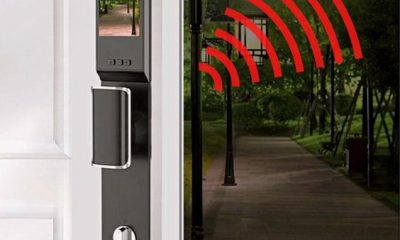

Are Smart Locks Hard To Install Find Out Here?
There are several compelling reasons why installing smart locks in a home may be a very worthwhile investment. You won’t...


10 Most Cutting-Edge TVs with Touch Screens
A touch screen TV is a kind of television that can be controlled by touching the screen. This cutting-edge innovation...


How Many Smart Devices Can You Connect To Alexa?
The more gadgets you connect to Alexa, the higher your home’s intelligence will be. Connecting Alexa-enabled smart home devices like...


How To Make Smart Bathroom By Using 5 Gadgets?
The world we live in is completely immersed in advanced technology. Technology makes life simpler in every aspect, from cellular...
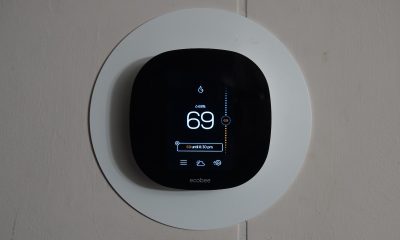

Interesting Things About Ecobee Firmware Upgrades.
All smart devices, including smart thermostats, need periodic software upgrades. Firmware is the term used to describe the software that...


What Is Lg Tv Plus And How Its Works And How To Connect To Tv?
When it comes to Smart TVs, LG is a top contender. The two most common brands of televisions are LG...
-
 Gadgets3 years ago
Does Nest Thermostats Contain Cameras Or Microphones? Is It Safe For you?
-
Guides2 years ago
10 Best Apps To Control All Your Smart Home Devices.
-
 Gadgets3 years ago
What Is The Purpose Of Red Button On The SimpliSafe Keypad?
-

 Gadgets3 years ago
Complete Guide About Equalizer settings for Samsung-Soundbar
-

 Accessories2 years ago
Blink Camera’s Temperature Sensor Settings, and More
-

 Gadgets3 years ago
Fitbit Symbols Meaning: What Do The Fitbit Icons Mean?
-

 Accessories2 years ago
Can Siri Control Samsung Televisions And Are Samsung TVs Homekit Compliant?
-

 Solutions3 years ago
Why is My Samsung TV Picture So Dark? Exploring the Possible Causes